
HOLISTIC PHILOSOPHY
Design Philosophy
The experience of a place cannot be separated from the person who enters it.
Much of my thinking began as an art and design educator, with a question about what we fail to understand when we see only someone's outward abilities or behavior. In my holistic research, I explored six interconnected dimensions of an individual: the physical, acting and thinking, feeling, conceptualizing, harmonizing, and what I called the transexperiential—the possibility of experience reaching beyond our habitual sense of self. Community and larger systems shape the conditions in which those dimensions are expressed. They are not simply two more traits within a person.
I don't regard this framework as a test that a person or a home must pass. The terminology has developed across my writing, while the underlying inquiry has remained: how do the different parts of a life relate, and what changes when we consider them together?
01 / IDENTITY AND INTEGRATION
A person is not only one thing
Someone may seek company and solitude, familiar routines and unfamiliar experiences. They may live with objects and interests that appear to belong to different worlds. I am less interested in dividing those experiences into tidy categories than in understanding how they already coexist. Integration, as I understand it, is not settling for half of each desire. Sometimes the relationship between them creates possibilities that a compromise would have missed.
02 / THE EXPERIENCE OF BEING THERE
We encounter a room with more than our eyes
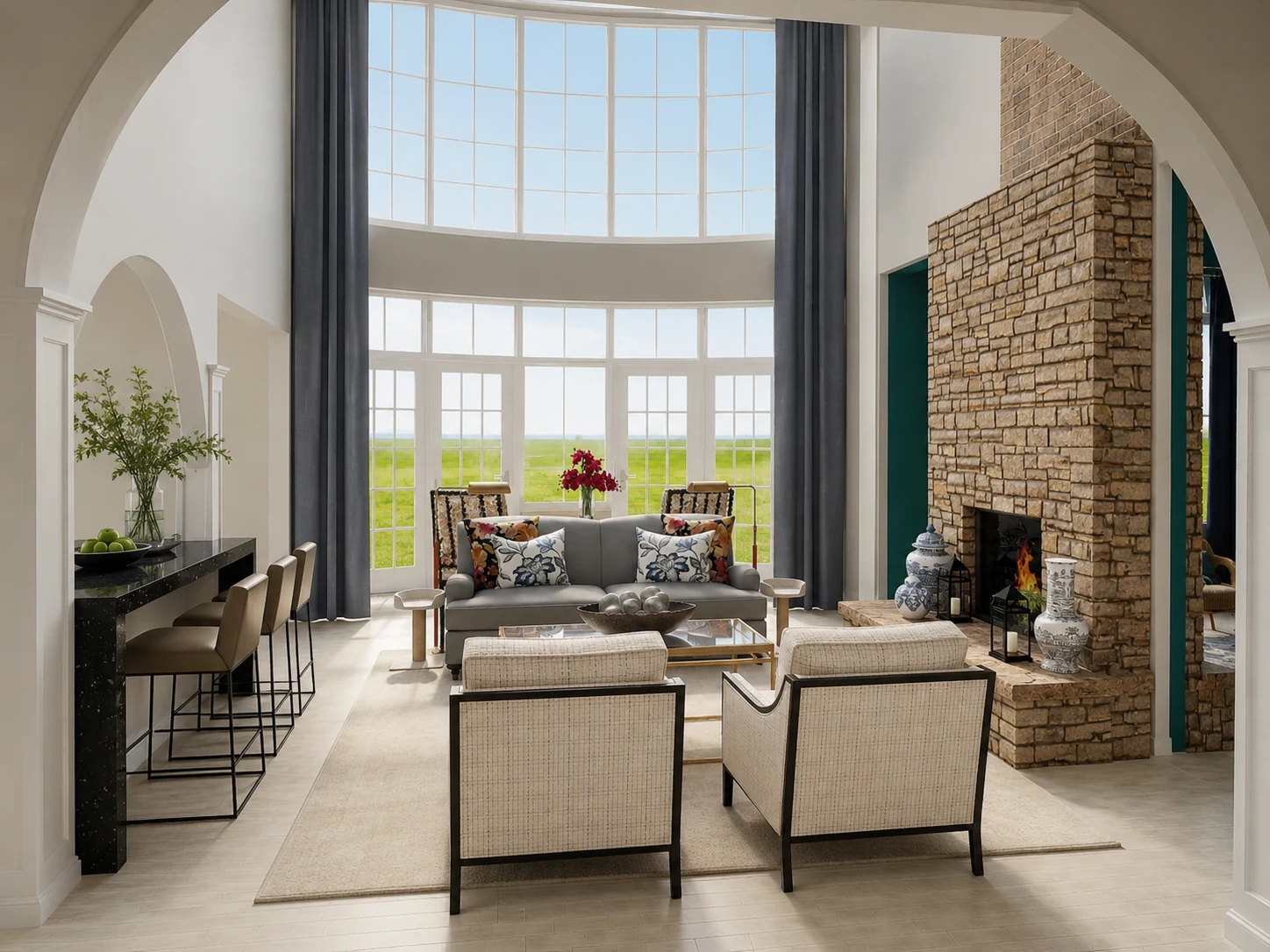
Light changes against a wall. A chair supports the body—or asks it to hold a posture. Stone can be cool beneath a hand; a textile changes character as we move past it. Such encounters become part of our expectations and memories. We make places through our choices and daily activity, while those places also influence what we notice, how we move, and what feels possible.

03 / CONTEMPLATION AND IMMERSION
What happens to attention?
The contemplative and spiritual dimensions of my research are not separate from these questions. In my writing about art and engagement, I return to immersion: what happens when attention becomes so involved in an experience that our ordinary self-concern grows less central? Art, nature, reflection, ritual, and even familiar activities may be encountered in this way, although the meaning of such experiences belongs to the individual.
I do not believe a room can be made to produce spiritual transformation on demand. What interests me is the possibility of allowing for experiences whose significance cannot be reduced to appearance or utility. That possibility deserves serious inquiry alongside the physical and practical realities of a home.
A home also gathers evidence of time: a repaired surface, an old floorboard, wallpaper beneath another layer. A room can be beautifully designed on the day it is completed, but its history isn't completed with it. The people who inhabit it continue to change, and the place changes with them.
Related essays ↗