A meaningful object is a design parameter, not an obstacle
Designing With What You Already Own
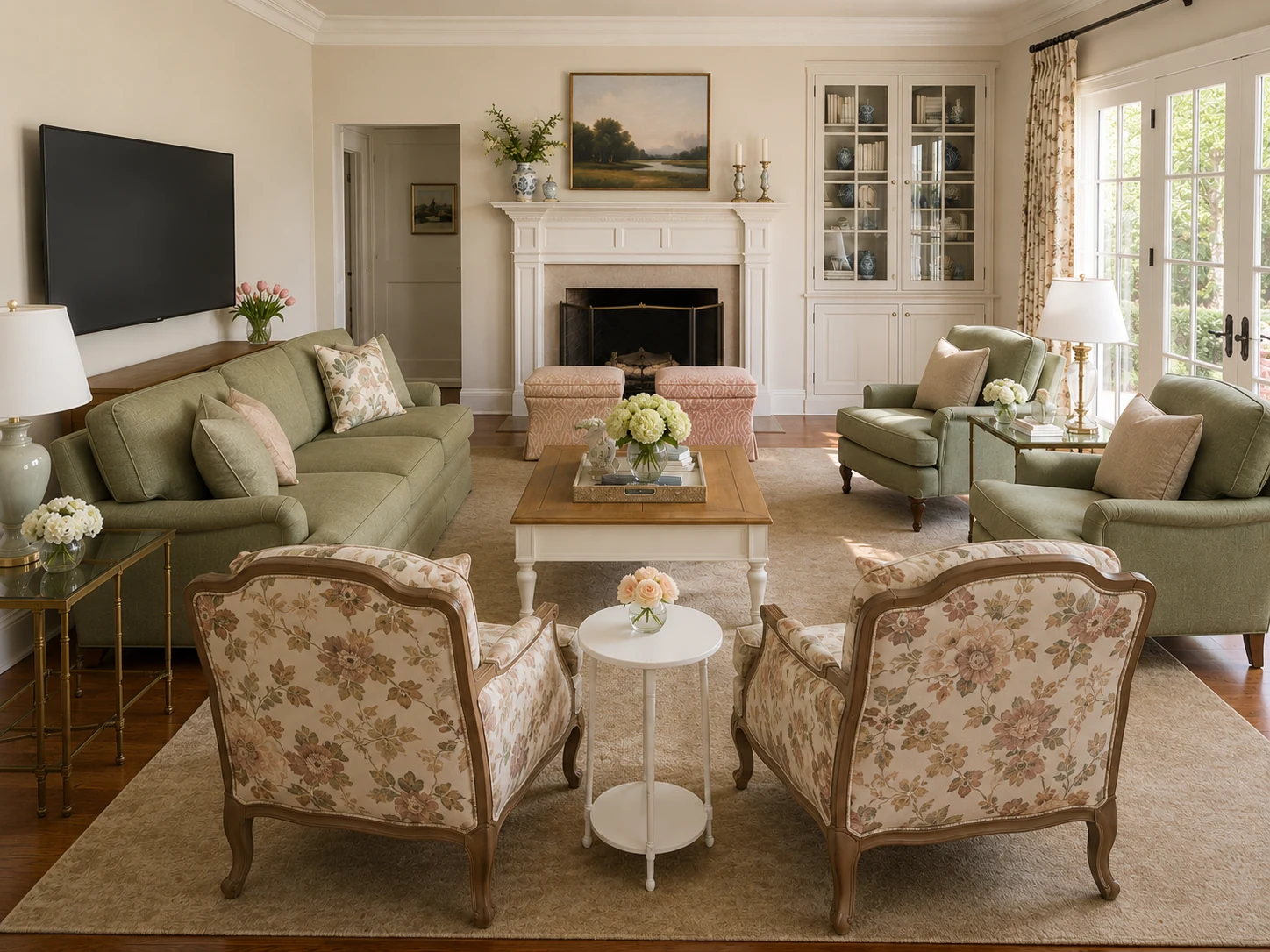
A home without any connection to the lives already lived within it can become a very beautiful house that still feels strangely unfamiliar.
Clients sometimes apologize for wanting to keep an inherited cabinet, a credenza with unusual details or a piece from another period. They assume it will interfere with the intended design. I often see the opposite possibility: the piece can provide exactly the specificity the room needs.
I begin by examining its construction and visual architecture rather than assigning it a style label. The radius of a corner, the shape of a leg, a handle, a channel or a particular wood tone may be enough to establish a relationship with new furnishings. Carrying two of those characteristics into other pieces can make the older object feel intentional without copying its design or forcing the entire room into its period.
There is another side to this conversation when someone is downsizing or entering a different stage of life. An object may symbolize a person, a relationship or a chapter that feels difficult to release. The practical question of whether it fits is only part of the decision.
There is a difference between including a treasured piece and placing it in the room as an apologetic exception. If everything surrounding it follows an unrelated visual language, the object may appear even more displaced. The solution can be surprisingly specific. I might notice a particular corner radius in a sideboard, a fluted detail, the profile of a leg or an unusual handle. By introducing two of those characteristics elsewhere, I can establish enough kinship between old and new pieces without reducing the rest of the room to an imitation.
That method lets the meaning of an inherited object remain personal. I don't need to turn an entire interior into an exhibit about its historical period. In fact, the contrast between an old object and contemporary surroundings can bring character to both, provided there are enough thoughtful relationships for them to belong together.
Downsizing introduces a more difficult decision. When someone is moving from a larger home to a retirement community or another smaller living arrangement, a piece might hold far more than practical value. It may stand for a relationship, a family era, or a sense of continuity at a moment when much else is changing. I don't think a measurement on a floor plan captures all of that. Listening to what the object means is part of making a responsible design decision.
Occasionally, that conversation makes release possible; the story and the relationship remain even when the piece itself cannot. On another day the person may not be ready, and the design needs to recognize that, too. I don't see my role as persuading someone to keep or discard an object for the sake of a more polished image. I want to help them understand what is genuinely at stake.
Sometimes keeping the piece matters. Sometimes listening to its story helps someone recognize that the memory will remain even if the object does not. I don't believe either outcome should be forced.
Working with existing furnishings is not designing around an obstacle. It is allowing the home's history to participate in what comes next.