
A layout can be correct while the experience is wrong
What Changes When the Floor Plan Doesn't?
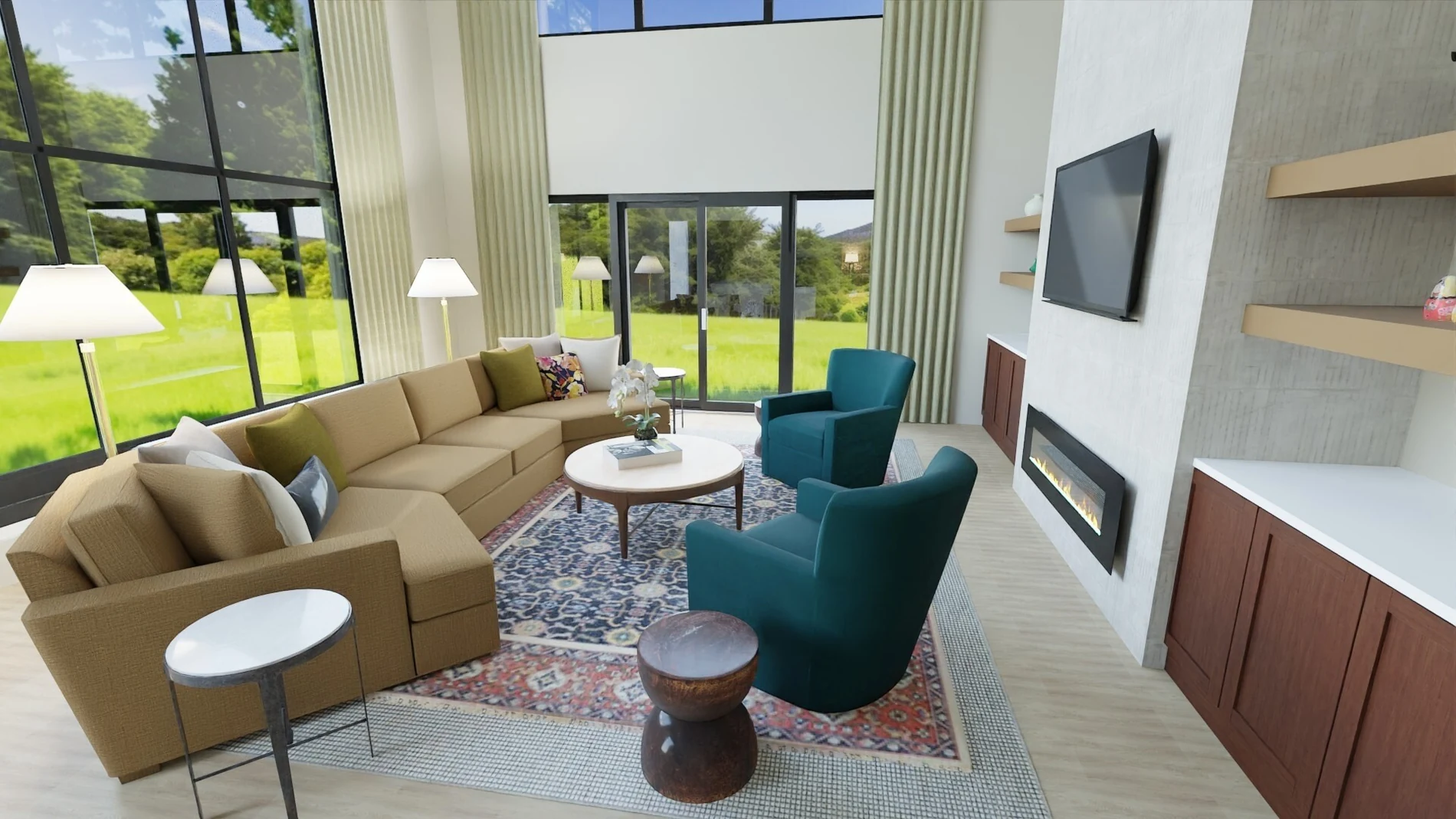
Some spaces have only one or two practical furniture arrangements. Rather than force a different plan onto the room, I want to understand what the client hopes the redesign will solve.
I usually investigate three broad areas: floor plan, comfort and style. But function runs through each of them. An arrangement might be right while the furnishings are doing the wrong jobs.
Storage is a frequent example. A room can feel uncomfortable when belongings have nowhere natural to go. That is not always a problem of square footage; it may be a mismatch between the storage provided and whether someone wants objects displayed, concealed, kept close at hand or quickly cleared away.
Then there is the integrity of the furnishings themselves. A sofa may occupy the correct position but have cushions that no longer support the way its owner wants to sit. A case good may look appropriate in a photograph but disappoint when touched and used.
A practical way to begin is to ask what repeatedly ends up in the wrong place. If papers collect on a dining table or everyday belongings remain visible despite a beautiful storage cabinet, the problem may be that the storage doesn't match the task. Some things should be displayed. Others need to disappear quickly. And some must remain within easy reach if the owner is ever going to use the system naturally.
Comfort deserves an equally specific inspection. A chair can have the right scale in a room yet feel unsupportive to the person using it. A case good might be the correct type of piece while its surface no longer has the integrity or quality the client expects. Replacing that item in the same general location could make a major difference without needing a new plan.
For style, I often ask where someone has felt especially comfortable or inspired: a particular hotel, a restaurant, someone else's home. I'm not trying to copy that setting. I want to understand which qualities they were responding to and whether their current room offers any of them. When an arrangement is already functionally appropriate, an entirely different palette, material vocabulary and degree of comfort may still change the room's identity.
Finally, I want to know whether the room offers an experience the client recognizes as their own. Sometimes a remembered hotel, restaurant or friend's home reveals what their current space has been missing.
Keeping the floor plan does not mean keeping every furnishing, every function or every sensation unchanged. A room can remain within the same footprint and begin serving its occupants much better.